Written by, Katherine T.
I want to start by talking about where I came from, because I think so much of my struggle with open-mindedness and honesty started in my childhood. Growing up, I was taught to believe exactly what my family believed. There wasn’t room for questioning, for doubt, or for my own voice. I was taught that the truth—especially if it was painful or didn’t fit the image my family or church wanted to present—should be hidden. We didn’t talk about our problems. We didn’t admit when we were hurting. We certainly didn’t question our faith or our family’s choices.
That kind of upbringing left me feeling empty inside. I felt like I had no voice, no autonomy, no way to express who I really was or how I really felt. And so, like a lot of people, I started looking for ways to numb that emptiness. For me, that was weed. At first, it felt like the answer. It dulled the pain and made me forget, for a while, how much I was struggling. But eventually, I realized that whenever I wasn’t high, I was deeply depressed—and even when I was using, that depression was still there, just under the surface.
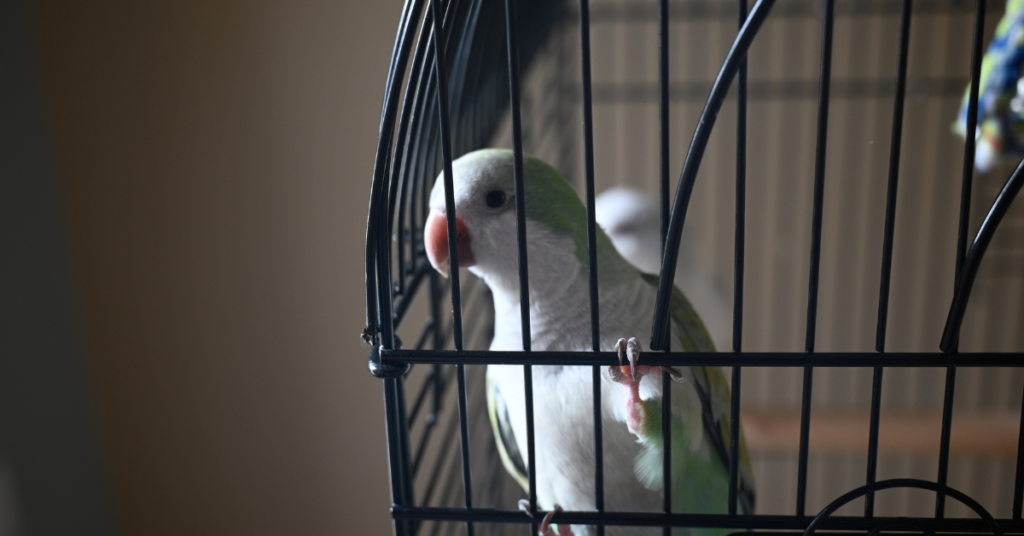
That depression led me back to old habits—especially suicidal thoughts. I felt trapped, with nowhere to turn. I was taught to pray away the pain, to never let anyone know how bad things really were, to shove everything down so deep that I could pretend it wasn’t there. When I tried to get clean in the past, I would just put on a smile and act like everything was fine. I thought if I could just pretend hard enough, maybe I could make it true. But pretending didn’t work. Smiling through the pain didn’t make it go away. All it did was isolate me further. I wasn’t honest with myself or anyone else about how much I was suffering. I was terrified to admit the truth, even to myself—that I was an addict, that I was hurting, that I needed help.
Despite all that, I finally made it to my first meeting. I was desperate, and I honestly didn’t know what to expect. What I found was a room full of people who were willing to be open-minded and honest in ways I had never seen before. People shared their stories, their pain, their struggles, and their hope. They listened to each other without judgment. They were honest about how hard recovery was, about the setbacks and the relapses and the work it took to stay clean. That was a revelation for me. I had never seen people be so vulnerable, so real, and so supportive of one another. For the first time, I realized that maybe I didn’t have to hide anymore. Maybe I could be honest, too—not just with others, but with myself.
Looking back, I can see how my lack of open-mindedness kept me stuck. I would say, “I’m an addict,” but I didn’t really believe it. I didn’t want to listen when others told me recovery would be hard, or that I needed a sponsor, or that just smiling through the pain wasn’t enough. I thought I could do it my way, that I didn’t need help, that I could just will myself into being okay. But that night when I couldn’t sleep and the suicidal thoughts came roaring back, I realized I was wrong. That forced smile melted away, and I was left with nothing but the truth: I was suffering, and I couldn’t do this alone. If I had been honest with myself and with others—if I had been willing to listen and open my mind to the possibility that I didn’t have all the answers—I might have stayed clean. I might have avoided a lot of pain.
During my using, I became incredibly self-centered. I was so focused on my own pain that I couldn’t see how I was hurting the people around me. I expected others to fix my problems, to carry my burdens, to take responsibility for my pain so I wouldn’t have to. I became a leech, draining the people I loved because I refused to take responsibility for my own healing.
When I look back at the last three years, I feel a lot of regret. I see how selfish I was, how unwilling I was to be honest or open-minded. But I also see that hitting that spiritual rock bottom was necessary. I finally realized that changing—no matter how hard it would be—was far less painful than staying the same and dragging everyone else down with me.
This time, I came into recovery with a different mindset. I decided to let go of what I thought I knew and to really listen. I became willing to take in feedback, to try new things, to accept that I didn’t have all the answers. Open-mindedness, for me, means being willing to learn from others, to accept that my way isn’t always the right way, and to trust the process even when it’s uncomfortable. Open-mindedness also means being willing to try things that scare me—like reaching out for help, working the Steps, or sharing honestly in meetings. It means being humble enough to admit when I’m wrong, and brave enough to try again.
Honesty is the foundation of everything I do in recovery. It means admitting when I’m struggling, when I’m scared, when I’m tempted to use. It means being real about my feelings, even when they’re ugly or painful. It means accepting responsibility for my actions, both good and bad. But honesty isn’t just about admitting my faults. It’s also about recognizing my strengths, my progress, and my potential for growth. It’s about being honest enough to accept love and support from others, and to believe that I deserve to heal.
One of the greatest gifts of recovery has been finding a community of people who value open-mindedness and honesty. I found a sponsor who challenges me to be real, who listens without judgment, and who helps me see things from a new perspective. I found friends who support me, who hold me accountable, and who remind me that I’m not alone. Being part of this community has shown me that I never have to go back to that place of isolation and despair. I never have to be a leech on my loved ones again. I can choose to stay soberclean, to take responsibility for my healing, and to help others along the way.
If you’re new to recovery, my advice is simple: be open-minded and honest with yourself. You don’t have to take every piece of advice you hear, but be willing to listen, to try new things, and to accept help. Nothing anyone in MA suggests can ever be as painful as the misery of using. Recovery isn’t easy, and there will be days when it feels impossible. But I promise you, it’s worth it. The pain of growth is so much less than the pain of staying stuck. And every time you choose honesty and open-mindedness, you take another step toward healing.
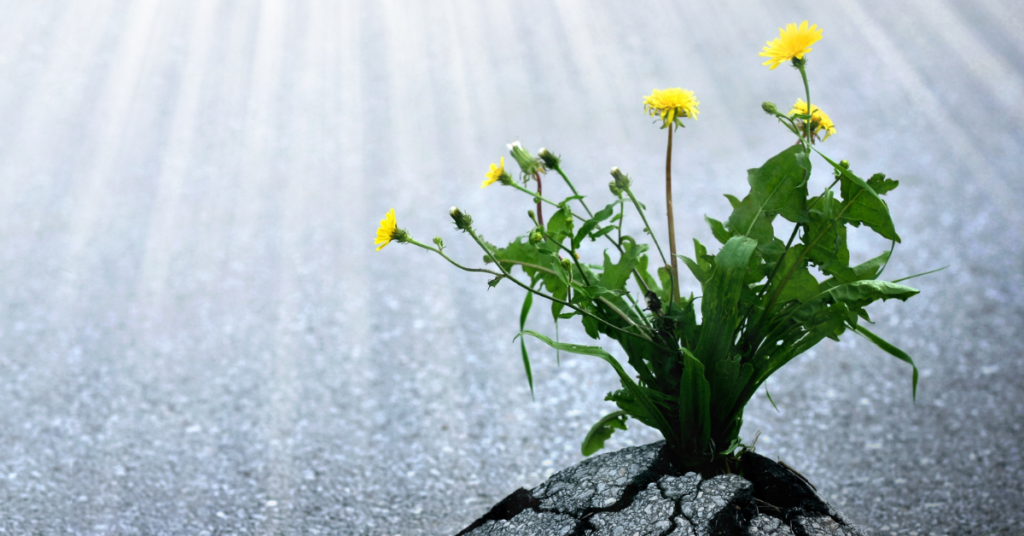
I still have a lot of work to do. There are still things I need to be honest with myself about, and there are always new suggestions to try. But I find hope in knowing that I’m willing to do the work, that I’m not alone, and that every day I choose recovery, I get a little bit stronger. I know that one day, with continued honesty and open-mindedness, I’ll be able to accept and love myself enough that those old suicidal thoughts will finally fade away. I’ll be able to look in the mirror and see someone who is whole, who is healing, and who is worthy of love.
Thank you all for letting me share on my topic. Thank you for listening, for supporting me, and for reminding me every day that recovery is possible. I hope that by sharing my journey, I can help someone else find the courage to be open-minded and honest too.